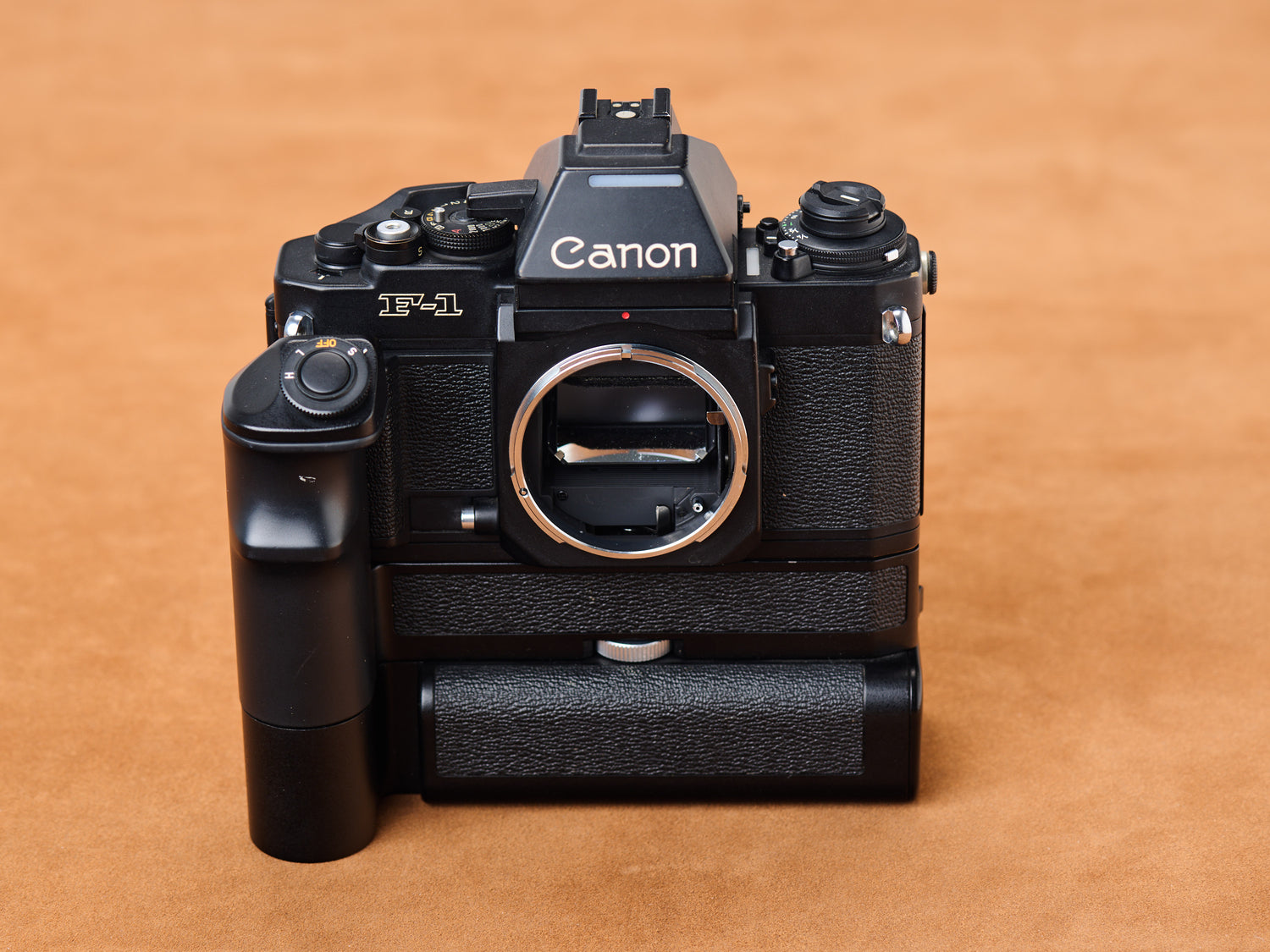
In 1936, a German engineer named Karl Nüchterlein decided photography had suffered enough from polite lying. He built a camera with a mirror that flipped up at the moment of exposure, letting photographers see exactly what the lens saw. Radical stuff. Before that, viewfinders offered educated guesses, the visual equivalent of “trust me.” The Single Lens Reflex promised honesty in framing, though it charged a small fee: a blink of darkness every time you pressed the button.
The trick was simple and faintly athletic. Light came through the lens, bounced off a mirror, ricocheted through a prism, and landed in your eye, looking innocent. When you took the picture, the mirror leapt out of the way, the shutter snapped shut, and the truth was recorded. Parallax error was dismissed, focus stopped being aspirational, and composition no longer depended on hope and prayer. With time came refinements, mirrors that snapped back faster, shutters that behaved, lenses you could swap like cocktails, which made the SLR the life of the photographic party for decades.
But the mirror was also the SLR’s little vice. It made cameras bulky, noisy, and just shaky enough to be annoying. Worse, it caused that brief blindness right when something interesting might happen. As sensors grew smarter and electronic viewfinders learned their manners, the mirror went from essential to superfluous. After spending a lifetime flipping out of the way so photography could get on with things, it finally did the decent thing and stepped aside altogether.