In 1913, a machinist named Oskar Barnack contemplated a problem. Landscape photography required lugging equipment that weighed more than a small child. Barnack, who suffered from asthma, decided this was intolerable. So he did what any sensible German engineer would do. He built a camera so small it could fit in a coat pocket, used film intended for movies, and accidentally invented modern photography. The audacity, really.
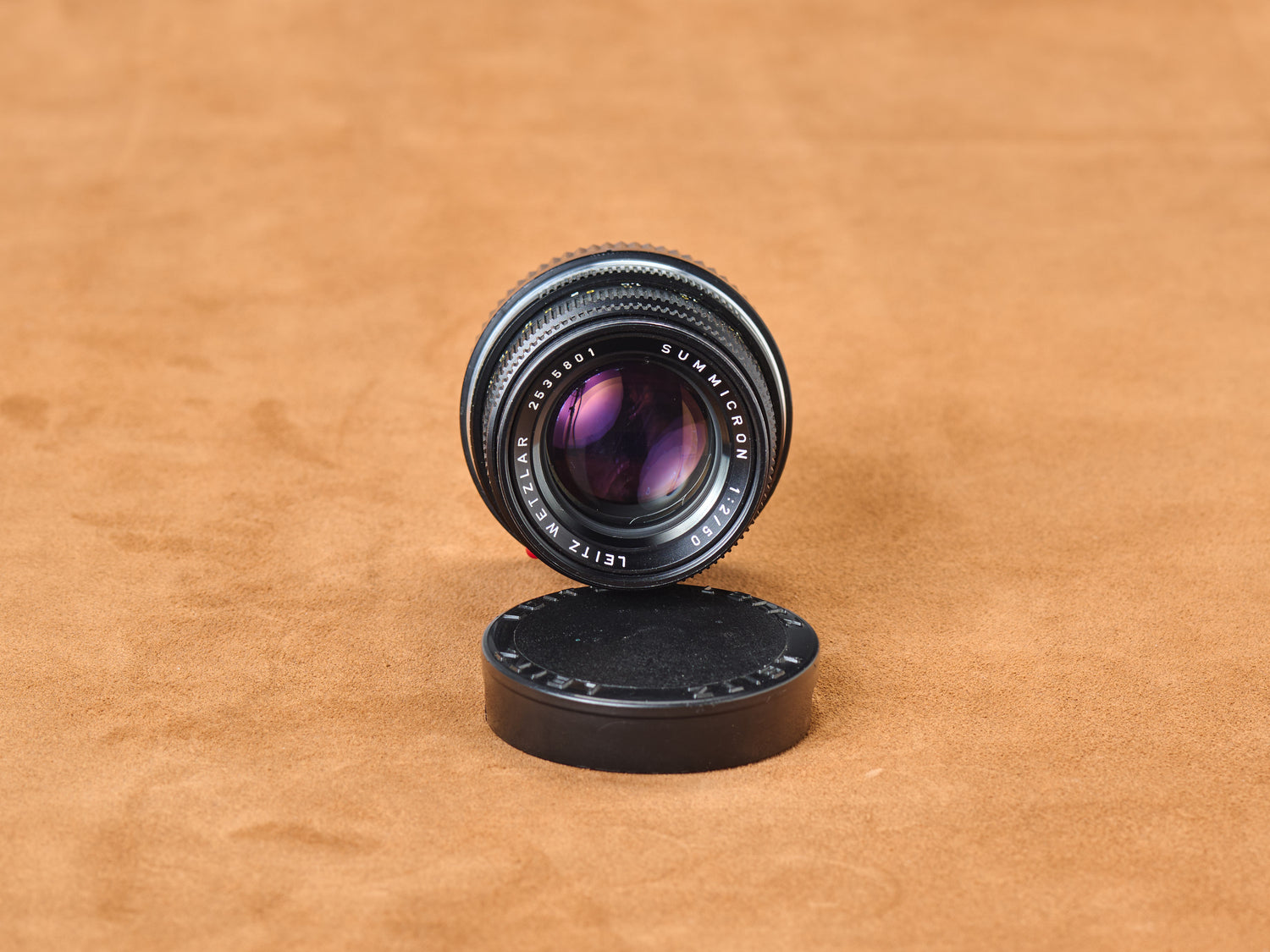
The name itself is ruthlessly efficient. "Leica" fuses "Leitz" (Ernst Leitz, the company founder from 1869) with "camera." No poetry, no pre-tense, just German industrial pragmatism wearing a monocle. Barnack's compact vision demanded lenses sharper than anything then available. Early experiments with Zeiss glass failed spectacularly, so Max Berek designed the 50mm f/3.5 ELMAX, later refined into the four-element ELMAR, specifically for this upstart format.
The Leica I debuted at the 1925 Leipzig Spring Fair like a debutante who'd rather be reading Nietzsche. By 1930, interchangeable lenses arrived via the 39mm screw mount. The Leica II (1932) added a rangefinder. The Leica III threw in slow shutters and eventually a 1/1000 second top speed.
Then came 1954's M3. A combined rangefinder/viewfinder with parallax compensation, the bayonet M mount, and a shutter built like a Bavarian clockwork fortress. The M system remains Leica's heart. Modern MPs and MAs still seduce photographers who believe focusing manually builds character. Or at least Instagram credibility.
They dabbled in SLRs starting in 1964 with the Leicaflex. These cameras lacked autofocus, which Leica probably considered beneath them, like a Michelin-starred chef refusing a microwave.
Leica became synonymous with street photography, reportage, and a certain ineffable seriousness about image-making. Also, an ineffable seriousness about pricing. It represents craftsmanship as philosophy, heritage as selling point, and the stubborn insistence that some things shouldn't get easier just because they can. It's precision engineering meeting artistic pretension, shaking hands, and refusing to let go.
Which is to say. Leica didn't just make cameras. They made a religion. And like all religions, it requires faith, sacrifice, and a willingness to explain yourself at parties.