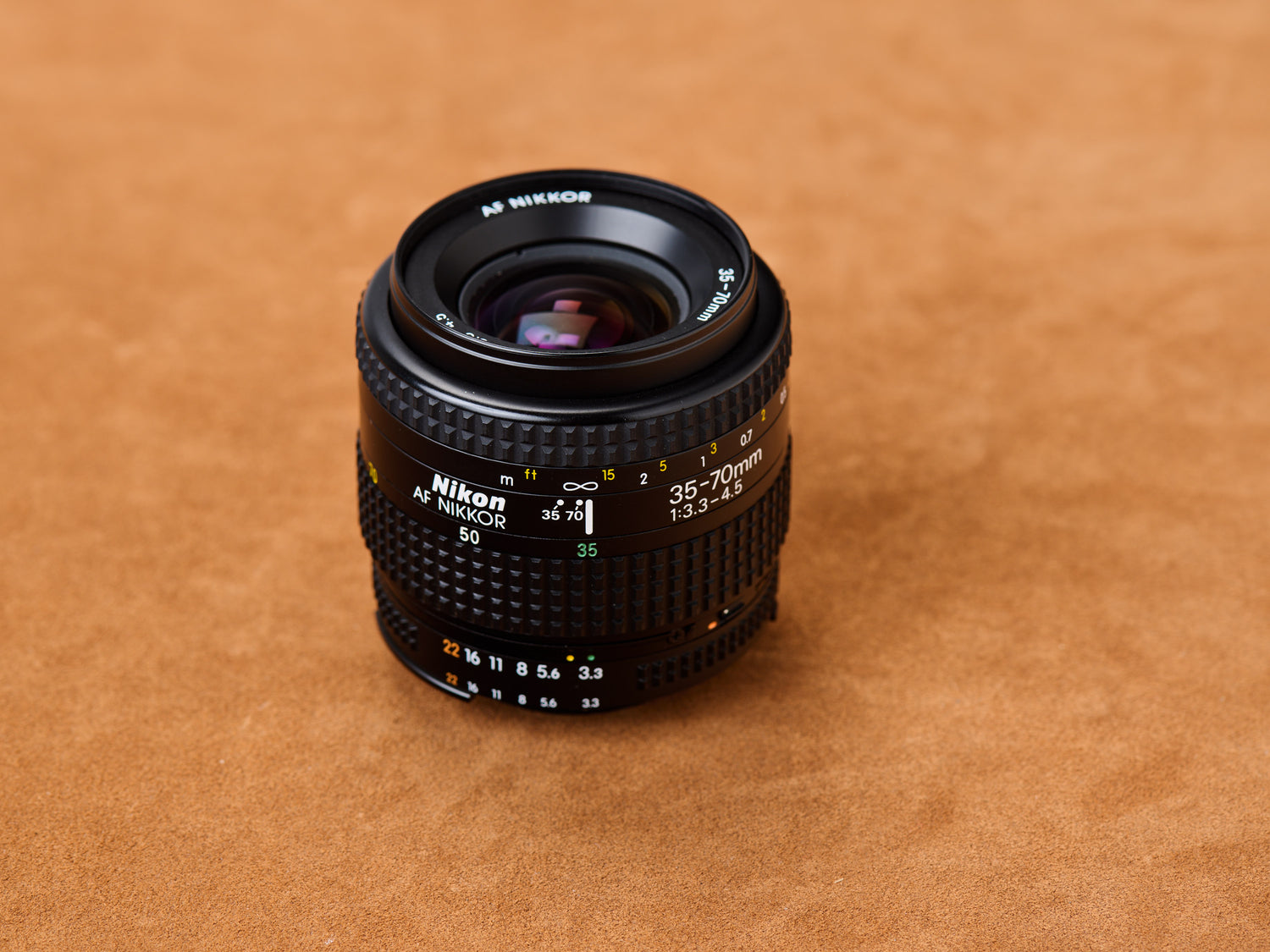
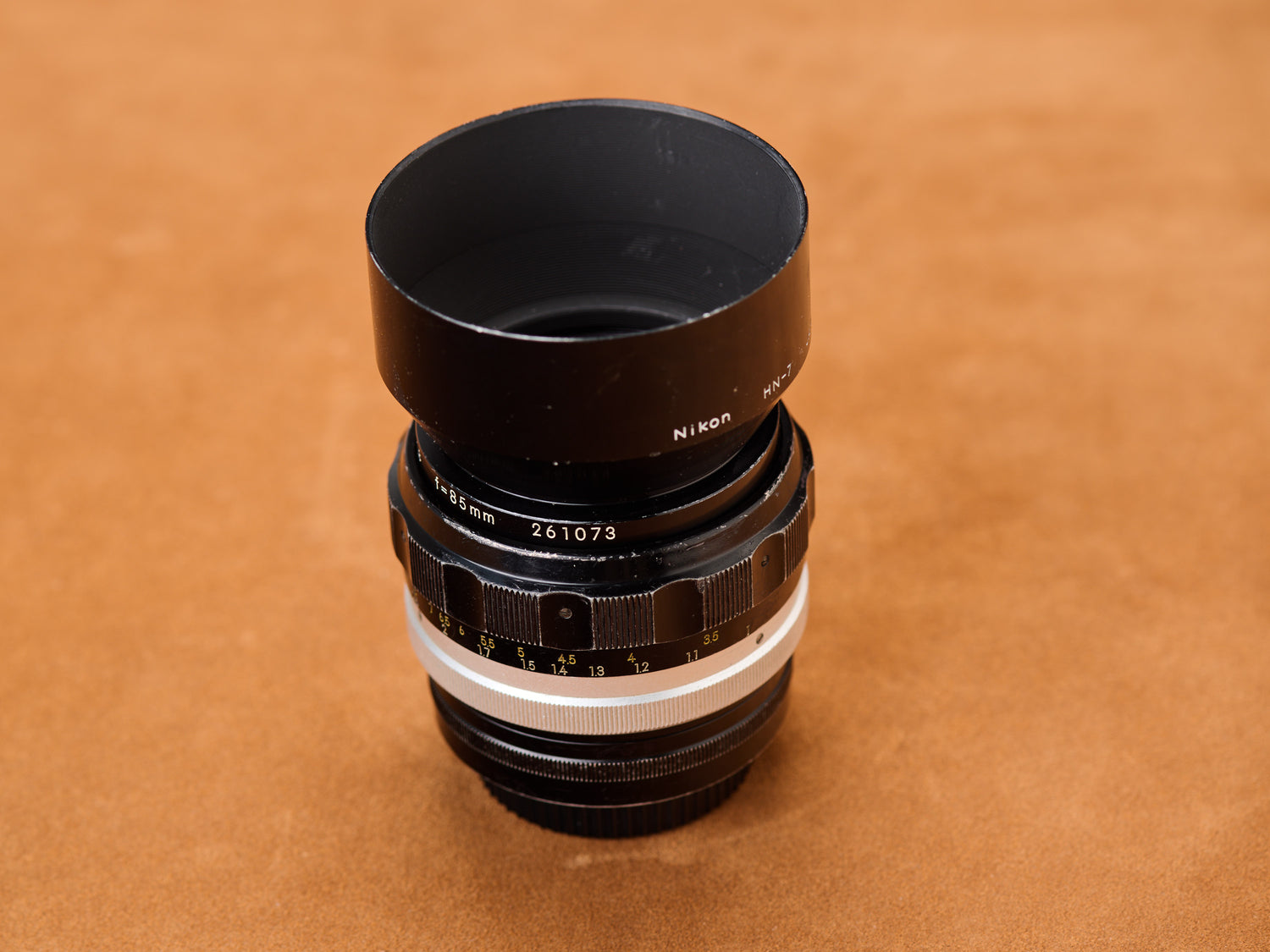
Introduced in 1959, the Nikon F-mount committed the sort of audacious crime most manufacturers only dream of. It refused to become obsolete. With its three-lug bayonet, 44 mm throat, 46.5 mm flange distance, and a durability lifted straight from SP legend, it promised fast, rugged lenses and the kind of backward compatibility that made planned obsolescence look petty. “F” stood for “reF-lex,” because nothing says universal quite like a name that sounds like a bad pun.
Over sixty-odd years, the F-mount evolved just enough to keep people from noticing. AI and AI-S brought automatic indexing. Screw-drive AF gave way to AF-S and AF-P. G-types ditched the aperture ring, and E-types fiddled with electromagnetic diaphragms. And yet, at its core, it refused to change. A lens made when Kennedy was in office still clicks into a 2020 Nikon, quietly mocking every gadget that peaked before lunch.
It became a legend in war zones, on space missions, in factories, and in glossy studios, basically anywhere that didn’t have time for temperamental toys. Hundreds of NIKKOR lenses and adapters later, the F-mount remains Nikon’s backbone. It’s not flashy and not trendy, but it’s reliably present. It didn’t win by innovation exactly. It won by having the nerve to stay the same and by proving that the most radical act is often the simplest one, knowing what not to break.